
From August 22 to 23, the Ocean University of China (OUC) “Future Scientists” National Graduate Academic Forum on Future Energy and Materials and Devices for Carbon Peaking and Carbon Neutrality was held at the School of Materials Science and Engineering on OUC’s West Coast Campus.
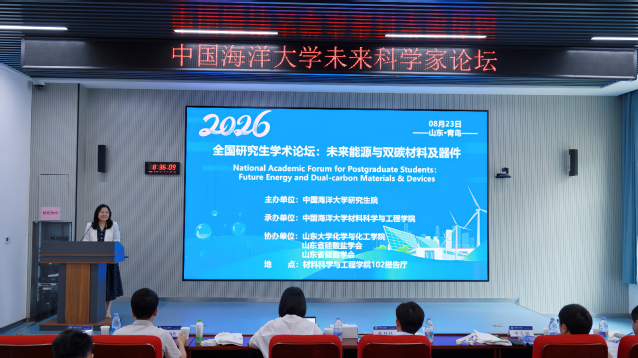
Du Junhuadelivered a speech
The forum was sponsored by the Graduate School of Ocean University of China, organized by the School of Materials Science and Engineering, and co-organized by the School of Chemistry and Chemical Engineering of Shandong University, the Shandong Silicate Society, and the Shandong Energy Storage Society. Experts and scholars from more than ten universities and research institutions, including KTH Royal Institute of Technology, Northwestern Polytechnical University, Nankai University, Shandong University, Harbin Institute of Technology (Weihai), Beijing Forestry University, Anhui University of Technology, Qingdao University, Qingdao University of Science and Technology, and the Institute of Process Engineering of the Chinese Academy of Sciences, attended the forum, together with outstanding master’s and doctoral students from related fields across China. The forum was chaired by Wang Huanlei, Vice Dean of the School of Materials Science and Engineering at OUC.
At the opening ceremony, Du Junhua, Secretary of the CPC Committee of the School of Materials Science and Engineering, delivered a welcome address. She extended a warm welcome to the participating experts, scholars, and graduate students and introduced the School’s recent progress in talent cultivation, disciplinary development, and scientific and technological innovation.
Du noted that advances in future energy technologies and advanced materials are essential to promoting green and low-carbon development. She expressed the hope that the forum would serve as an opportunity to further strengthen academic exchange and research collaboration, foster the development of young researchers, advance innovation in key energy technologies, and inject new momentum into the high-quality development of future energy materials.
Closely aligned with China’s goals of carbon peaking and carbon neutrality and the development needs of future energy technologies, the forum invited a number of distinguished experts and scholars to deliver keynote presentations and share their latest research findings and advances.
Professor Niu Zhiqiang of Nankai University delivered a presentation entitled “Materials and Devices for Aqueous Zinc-Ion Batteries.” Professor Su Xin of Harbin Institute of Technology (Weihai) spoke on “High-Energy-Density Lithium Batteries.” Professor Zhang Jintao of Shandong University presented “Functional Regulation and Mechanisms of Electrocatalytic Interfaces.” Professor He Hongyan of the Institute of Process Engineering, Chinese Academy of Sciences, gave a presentation entitled “Regulation of Nanoconfined Ionic-Liquid Diffusion and Its Frontier Applications.”
Assistant Professor Tobias Benselfelt of KTH Royal Institute of Technology delivered a presentation entitled “Unparalleled Nanofibril Hydrogel Actuators by Mimicking Nature’s Design,” while Dr. Jowan Rostami, Co-founder and Chief Executive Officer of Cellufy AB, presented “From Nanofibril Aerogels to Functional Foams: Translating Lightweight Materials Research into Industrial Solutions.”
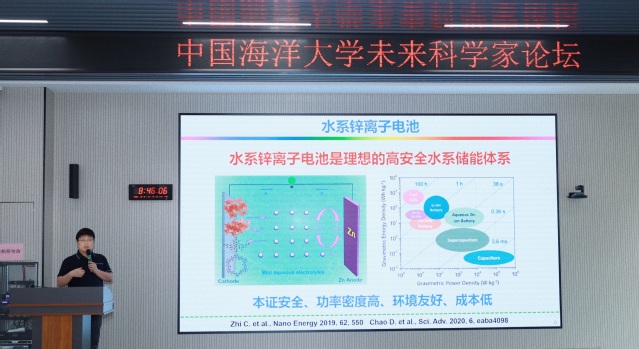
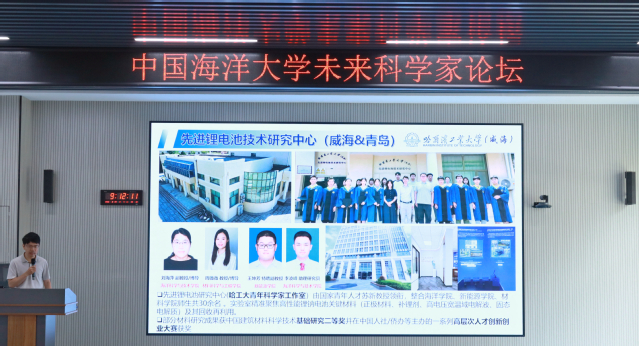
Niu Zhiqiang (left) and Su Xin (right) gave presentations
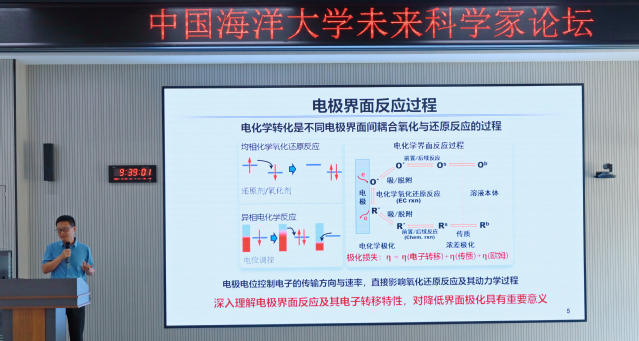
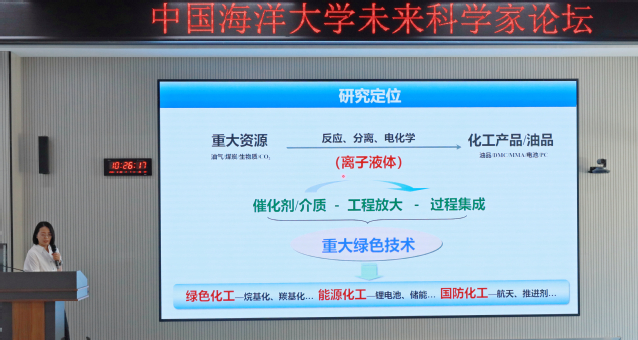
Zhang Jintao (left) and He Hongyan (right) gave presentations
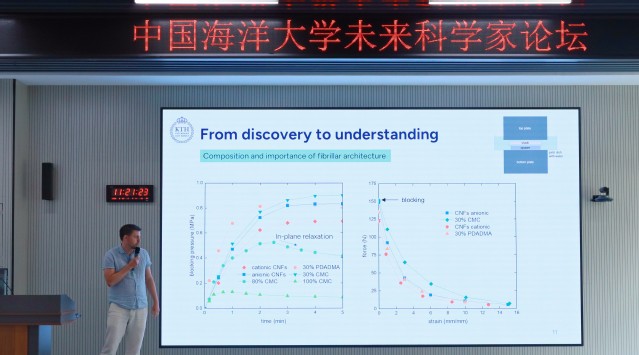
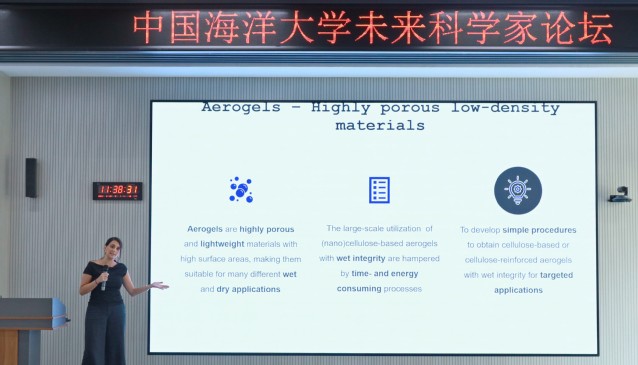
Tobias Benselfelt(left)、Jowan Rostami(right)gave presentations
During the presentations, participating experts engaged in in-depth discussions with faculty members and students on scientific challenges, technological trends, and industrial applications in areas including energy storage, energy conversion, green and low-carbon materials, and advanced functional devices, creating a vibrant academic atmosphere.
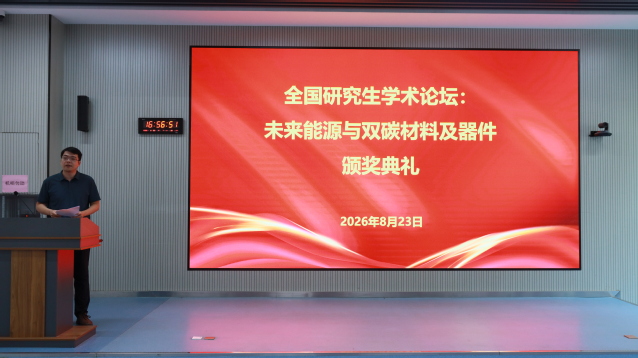
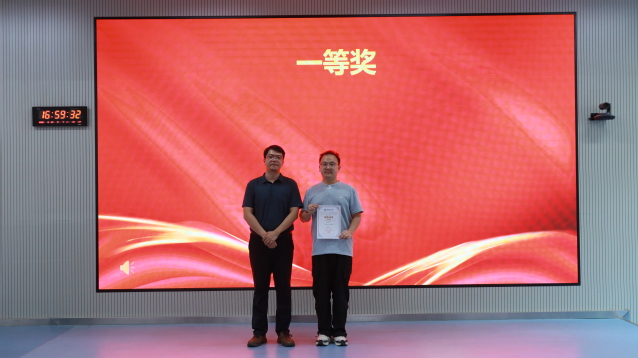
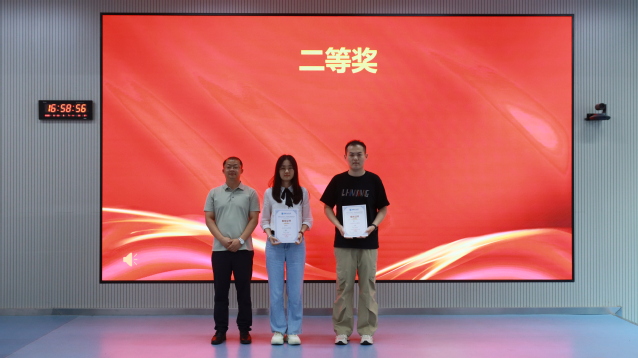
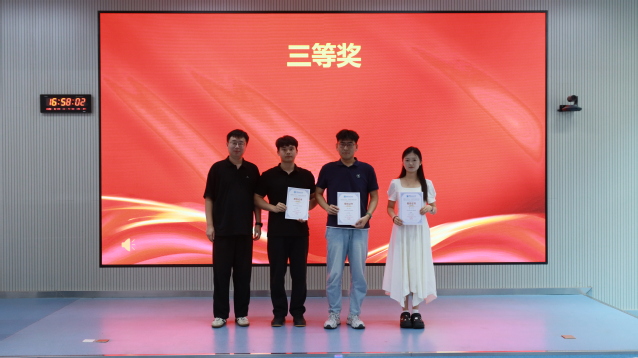
Graduate academic report awards
Professor He Hongyan also delivered a special presentation on the journal Green Energy & Environment, introducing its publishing philosophy, development, and academic scope and exchanging views with faculty members and students on scholarly publishing and the dissemination of research outcomes.
During the graduate student academic exchange session, outstanding master’s and doctoral students from universities and research institutions across China presented their latest research in areas including key materials for secondary batteries, electrocatalytic materials, functional nanomaterials, and advanced energy devices, showcasing the research achievements of young scholars in future energy and advanced materials.
Following evaluation by a panel of experts, one first prize, two second prizes, and three third prizes were awarded at the forum. Liu Shuang, Vice Dean of the School of Materials Science and Engineering, chaired the evaluation and award session and presented certificates and awards to the prize-winning graduate students.
The “Future Scientists” National Graduate Academic Forum on Future Energy and Materials and Devices for Carbon Peaking and Carbon Neutrality provided a high-level platform for academic exchange among young researchers from universities and research institutions across China. By focusing on the development needs of future energy technologies, the forum promoted interdisciplinary exchange, integration, and the cross-fertilization of ideas among different research fields, providing strong support for scientific and technological innovation in new energy materials, energy storage and conversion devices, and related areas.
Looking ahead, the School of Materials Science and Engineering at Ocean University of China will continue to address major national strategic needs and focus on frontier scientific challenges in advanced materials and energy devices. The School will further strengthen talent cultivation, scientific and technological innovation, and academic exchange, actively promote high-level research collaboration, and contribute to achieving China’s carbon peaking and carbon neutrality goals, advancing green and low-carbon development, and driving progress in future energy technologies.
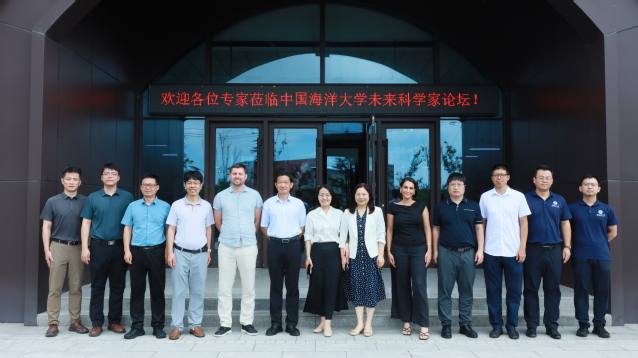
Group photo
Text and Photos: Yu Gengchen and Deng Fei